
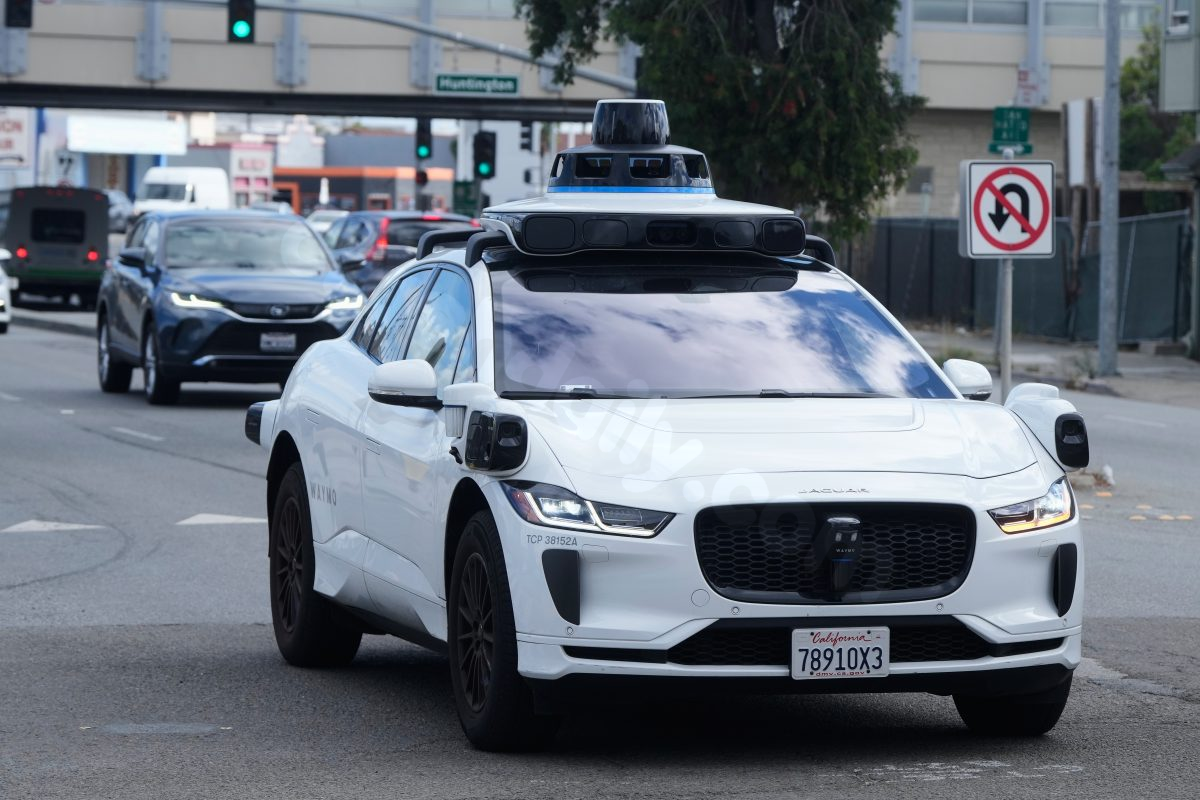
Waymo study finds Austin crash risks spike on weekend nights
AUSTIN (KXAN) – Autonomous vehicle company Waymo says new research shows crash risks for human drivers can vary significantly depending on where, when and on what type of road people are driving, with Austin showing elevated risks during weekend nights. In a newly published peer-reviewed study, Waymo analyzed human crash data across dozens of U.S. cities and compared those findings with the performance of its autonomous vehicles. The company said the research found fatal crash involvement rates can vary widely based on geography, road type and time of day. According to the study, fatal crash rates differ by as much as 8.4 times between cities. The research also found that surface streets have a fatal crash rate 2.3 times higher than freeways, while crash risks can increase significantly during late-night hours. For Austin drivers, Waymo reported a fatal crash involvement rate of 1.85 per 100 million miles on surface streets, nearly identical to the multicity average of 1.87. On Austin-area freeways, the fatal crash involvement rate was 0.88 per 100 million miles, slightly higher than the multicity average of 0.81. The company said Austin's crash trends follow a distinct weekend pattern. During weekdays, the city's fatal crash rates generally align with the multicity average. However, daytime fatal crash risk on weekends rises to 1.12, compared with the multicity average of 0.88. That risk increases substantially after dark, according to the study. Waymo found Austin's fatal crash involvement rate climbs to 3.66 on weekend nights, more than three times the city's weekend daytime rate. However, this does fall below the multicity average of 4.38, with Memphis accounting for the most fatal crashes per 100 million miles. The company compared its performance across 127 million miles of driving against a hypothetical human driver operating under the same conditions, including the same locations, days of the week and times of day. According to Waymo, its autonomous vehicles were involved in 359 fewer injury-causing crashes than would be expected for human drivers under comparable conditions. In a blog post on their website, Waymo said not all miles are created equal. "Navigating a highway commute on a Tuesday morning is fundamentally different from driving through downtown nightlife at 2:00 AM on a weekend. Our latest research — consisting of two new studies peer-reviewed and accepted for publication in the journal Traffic Injury Prevention — aims to close this gap by diving into two critical factors often overlooked in crash risk analysis: time and location." The released data comes after Waymo recalled thousands of vehicles in May due to a flood response flaw. That report stated that on higher-speed roads, the vehicle may slow down but not fully stop when detecting a flooded, potentially impassable lane, raising concerns about vehicle safety in severe weather conditions. Additionally, Waymo is using its vehicles to feed real-time data back to the city of Austin to address street conditions and fix problem areas. That program is currently underway in four other cities: San Francisco, Los Angeles, Phoenix and Atlanta.
Leave a Comment

Popular News




Recent News



Weather

 87%
87% 6 MPH
6 MPH
-
 19° July 9, 2026
 -
 25° July 9, 2026