
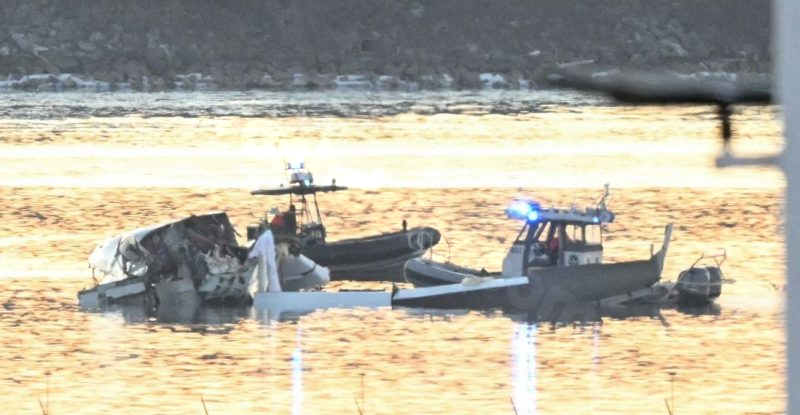
Efforts continue for reform after fatal midair collision at DCA.
In a tragic incident on January 29, 2025, an American Airlines plane collided with a military Black Hawk helicopter over the Potomac River within the Ronald Reagan National Airport (DCA) airspace. Sixty-seven lives were lost, prompting a year-long pursuit of accountability and change by lawmakers, officials, and grieving families. National Transportation Safety Board (NTSB) Chairwoman Jennifer Homendy strongly criticized the preventable crash during a recent hearing, emphasizing the negligence that led to this disaster. The need for reform was underscored by previous warnings overlooked by authorities, including a similar incident at DCA in 2013. The crash shed light on the impact of night goggles on visibility and inaccurate altitude readings on Army helicopters, leading to a rapid review of aviation regulations. The bipartisan ROTOR Act, aimed at improving data sharing and military policies, was unanimously passed by the Senate Commerce Committee but still awaits approval by the House. Proposed legislation endorsed by Homendy requires advanced locator systems on aircraft. However, concerns were raised over potential changes in the National Defense Authorization Act that could impact helicopter flights in DCA airspace, risking safety measures put in place by the FAA. The families of victims took legal action against American Airlines, PSA Airlines, and the government, with the government acknowledging responsibility for the tragedy. The aftermath of the Potomac Plane Crash has not only affected the families directly involved but has also caused some public apprehension towards air travel, despite it being one of the safest modes of transportation.
Leave a Comment

Popular News




Recent News

Weather

 50%
50% 3 MPH
3 MPH
-
 21° July 27, 2026
 -
27° July 27, 2026