
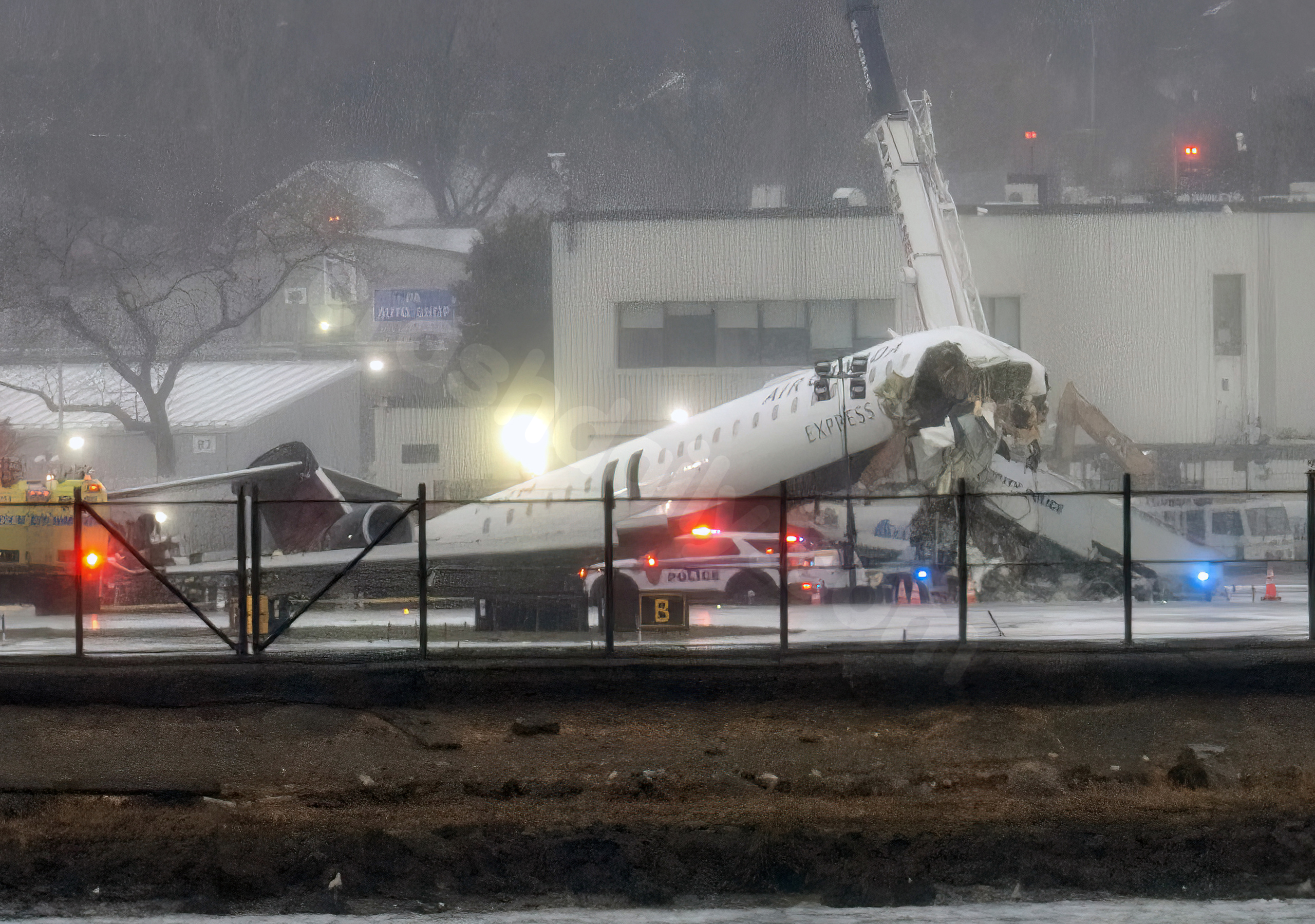
LaGuardia jet-fire truck crash: What we know about tarmac collision
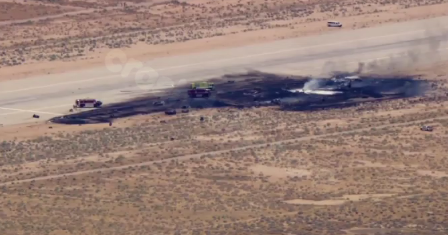
(NewsNation) — Two people were killed and dozens more injured Sunday after a deadly collision between a jet and a fire truck on the tarmac of LaGuardia International Airport in New York. The airport — one of New York's three major facilities — will be closed through Monday afternoon as investigators and transportation officials flock to the scene to determine what happened. Here's what we know so far. Around 11:30 p.m. EDT Sunday, Air Canada flight AC8646 from Montreal — a CRJ-900 plane — collided with a Port Authority firefighting vehicle while going about 24 mph. The fire truck was responding to a United Airlines flight, which had reported a suspicious smell, officials said Monday. In air traffic audio, a controller can be heard giving the truck clearance to cross the taxiway on its way to respond to the other flight. Moments later, the controller urges the vehicle to "stop, stop, stop" before impact. "Jazz 646, I see you collided with a vehicle there. Just hold position, I know you can’t move,” the controller continued. The pilot and co-pilot flying the Air Canada jet were killed in the collision, officials said on Monday. There were also 72 passengers and four crew members on board. More than three dozen passengers were taken to the hospital after the incident, along with two firefighters who were in the Port Authority vehicle. Nine people, including both firefighters, remained hospitalized Monday morning and “sustained serious injuries,” said Transportation Secretary Sean Duffy. The victims' identities have not yet been released, though Sen. Chuck Schumer, D-N.Y., said "dozens of New Yorkers were injured" in the incident. Former control tower operator Dave Riley told NewsNation that many factors were at play leading up to the deadly crash. The controller was coordinating a gate for the United flight and directing a fire truck to it, all while managing the Air Canada flight's path, among others. "Obviously, this happened on what we referred to as the midnight shift," Riley said. "And typically, it's not uncommon to have one controller running the operation at a time." "There'll be another controller in the facility, typically that's within a phone call. But when you get busy with things like this, there's not really that much time to make that phone call to get some back up," he added. Riley added that, after studying the airport's diagram, he believes the vehicle likely had a "tough" time seeing the approaching aircraft due to angles and lighting, as well as rainy conditions. He said investigators are likely to look into the staffing that night, the speed of the aircraft and truck, and the timing of the controller's actions. NewsNation's Michael Ramsey contributed to this report.
Leave a Comment
Popular News




Recent News


Weather

 34%
34% 8 MPH
8 MPH
-
 25° June 17, 2026
 -
31° June 17, 2026