
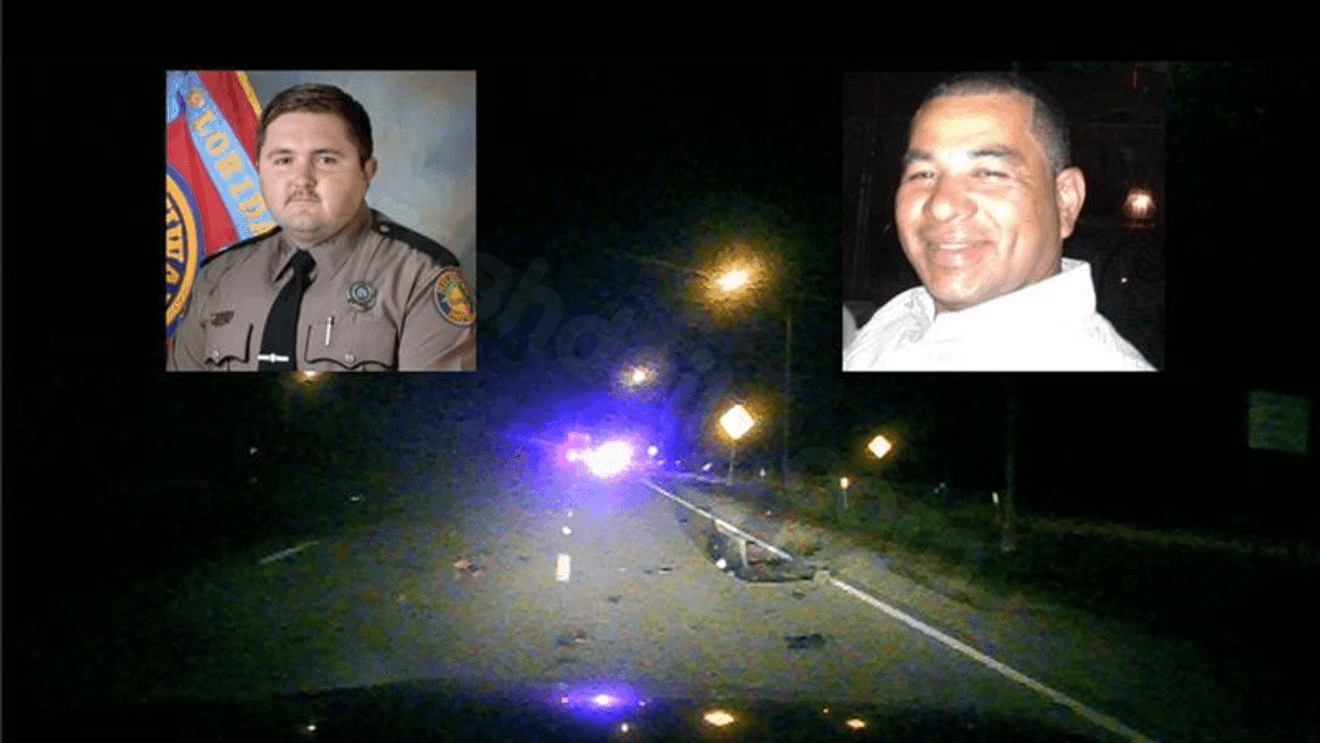
Deadly crashes fuel debate over Florida police pursuit policies
At least 40 people died in Florida police pursuits between 2020 and 2024, according to a recent analysis of federal crash data, renewing debate over when officers should pursue fleeing suspects and when the risks to the public outweigh the need for an immediate arrest. The Tampa Bay Times analysis examined data from the National Highway Traffic Safety Administration and found pursuit-related deaths occurred across Florida during the four-year period. National policing experts say the true number of pursuits, crashes and injuries is likely higher because no comprehensive national database tracks them. The discussion comes after Florida Highway Patrol revised its pursuit policy in late 2023, with the updated policy taking effect and later being codified in a March 2024 revision, expanding trooper discretion in pursuit decisions. The issue has also played out repeatedly in Palm Beach County and on the Treasure Coast, where several high-profile pursuit-related cases continue to move through the courts. Criminal and civil cases continue after deadly West Palm Beach crash One of the most scrutinized local pursuit cases is the July 2024 crash that killed Marcia Pochette and her daughter, Jenice Woods, who was pregnant. Prosecutors allege seven West Palm Beach police officers engaged in an unauthorized pursuit, sometimes referred to as a "ghost chase," involving suspect Neoni Copeland after department policy should have required officers to disengage. Authorities said Copeland later crashed into the vehicle carrying Pochette and Woods, killing both women. The seven officers were subsequently arrested and charged. The city later terminated all seven officers. The officers have pleaded not guilty. Court records show the family's federal lawsuit remains active while criminal cases against the former officers continue. Boynton Beach man sentenced in fatal fleeing case Another pursuit-related case recently reached a conclusion in Palm Beach County. Authorities said Atlantis Police attempted to stop Raekwon Johnson in August 2024, after he allegedly ran a red light in Lake Worth Beach. Investigators said Johnson fled, drove through the intersection of Congress Avenue and Lantana Road and crashed into another vehicle. The collision killed 69-year-old Sacha Rukin and caused a six-vehicle chain-reaction crash. In May 2026, Johnson was sentenced to more than 20 years in prison after pleading guilty to DUI manslaughter, vehicular homicide, fleeing and eluding causing death and leaving the scene of a fatal crash. His driver's license was permanently revoked. The case has frequently been cited by law enforcement officials who argue suspects who flee police create significant dangers to the public regardless of whether a pursuit continues. Trooper's death still resonates On the Treasure Coast, one of the region's most widely known pursuit cases involved Florida Highway Patrol Trooper Zachary Fink. Fink, 26, was killed in February 2024 while pursuing Michael Addison on Interstate 95 in St. Lucie County. Investigators said Addison fled from troopers, crossed the median and began driving the wrong way on the interstate. Fink and semi-truck driver Arsenio Mas were killed in the crash. Addison was later captured and remains charged in connection with the case. The crash also led to civil litigation between the families of Fink and Mas. The estate of Mas filed a wrongful death lawsuit against the state and Fink's estate, while Fink's family later filed a countersuit. In early 2026, the parties reached a confidential settlement and the lawsuits were subsequently dismissed. Agencies take different approaches A 2023 report commissioned by the U.S. Department of Justice recommended agencies generally limit pursuits to violent crimes and situations involving immediate threats to public safety. A review of publicly available pursuit policies and statements shows local law enforcement agencies do not all follow the same standards when deciding whether to chase a fleeing driver. According to the West Palm Beach Police Department's vehicle pursuit policy, revised in May 2023, officers are authorized to pursue a vehicle only when they reasonably believe an occupant has committed a forcible felony or when a driver poses an immediate threat to public safety and a supervisor approves the pursuit. The policy states pursuits for traffic violations and most motor vehicle offenses are not authorized unless the driver's actions create an immediate threat to another person. The policy also states officers cannot avoid accountability by describing a pursuit as "monitoring," "tracking," "shadowing" or "following" a fleeing vehicle. The Florida Highway Patrol operates under a pursuit policy revised in March 2024. Under that policy, troopers may pursue suspects who are actively fleeing and attempting to elude law enforcement or who are suspected of committing a forcible felony. The policy states troopers are expected to make reasonable efforts to apprehend violators who flee while balancing the need for apprehension against risks to public safety. Boca Raton's pursuit policy has also drawn attention in recent years. In 2023, Boca Raton Police Chief Michele Miuccio said in an interview that the department generally limits pursuits to cases involving violent crimes or forcible felonies, citing concerns about the risks pursuits can create for the public and officers. Palm Beach County Sheriff's Office has publicly discussed a more measured approach as well. During a 2022 interview, Sheriff Ric Bradshaw said deputies may initially attempt to stop a fleeing driver but often weigh whether continuing a pursuit is justified, particularly in cases involving minor traffic violations where a suspect may be identified and arrested later. Because pursuit policies can change, CBS12 News requested the most current pursuit policies and related data from several local law enforcement agencies. As of publication, responses were still pending. Two sides Retired law enforcement captain Thomas Gleason, who serves on the advisory board of PursuitSAFETY , a national nonprofit organization that advocates for more restrictive police pursuit policies, said officers should continually weigh the need for an immediate arrest against the risks a pursuit creates for the public. Gleason spent nearly four decades in law enforcement and taught police driving, pursuit tactics and officer safety at Florida law enforcement academies. "We can always go back and apprehend somebody the next day," Gleason said. "We can't bring somebody back from the grave." Gleason said advances in technology, including license plate reader systems, traffic cameras, aviation units and other investigative tools, have given law enforcement agencies more options to identify and locate suspects without engaging in prolonged vehicle pursuits. He said officers should consider factors such as traffic volume, weather, roadway conditions, population density and the seriousness of the suspected offense before initiating or continuing a pursuit. "The innocent public are the ones that are at the highest risk," Gleason said. "It's not just the person we're chasing." Meanwhile, supporters of broader pursuit authority argue fleeing suspects often pose an immediate threat to the public and should not be allowed to escape simply because they refuse to stop. Florida Highway Patrol's pursuit policy states dangerous offenders should be taken into custody and notes troopers receive advanced pursuit and emergency driving training.
Leave a Comment

Popular News



Recent News

Weather

 71%
71% 6 MPH
6 MPH
-
 23° June 22, 2026
 -
29° June 22, 2026